SHOP / CONTROL
Earlier coating inspections
Plan preparation, application conditions and thickness checks in the factory before shipment, with records linked to the steel members.
Coordinate fabrication and factory-applied fire protection with protected transport, site repairs before erection and final coating inspection after installation. SOEX aligns the scope, technical submissions and delivery sequence with your project team.
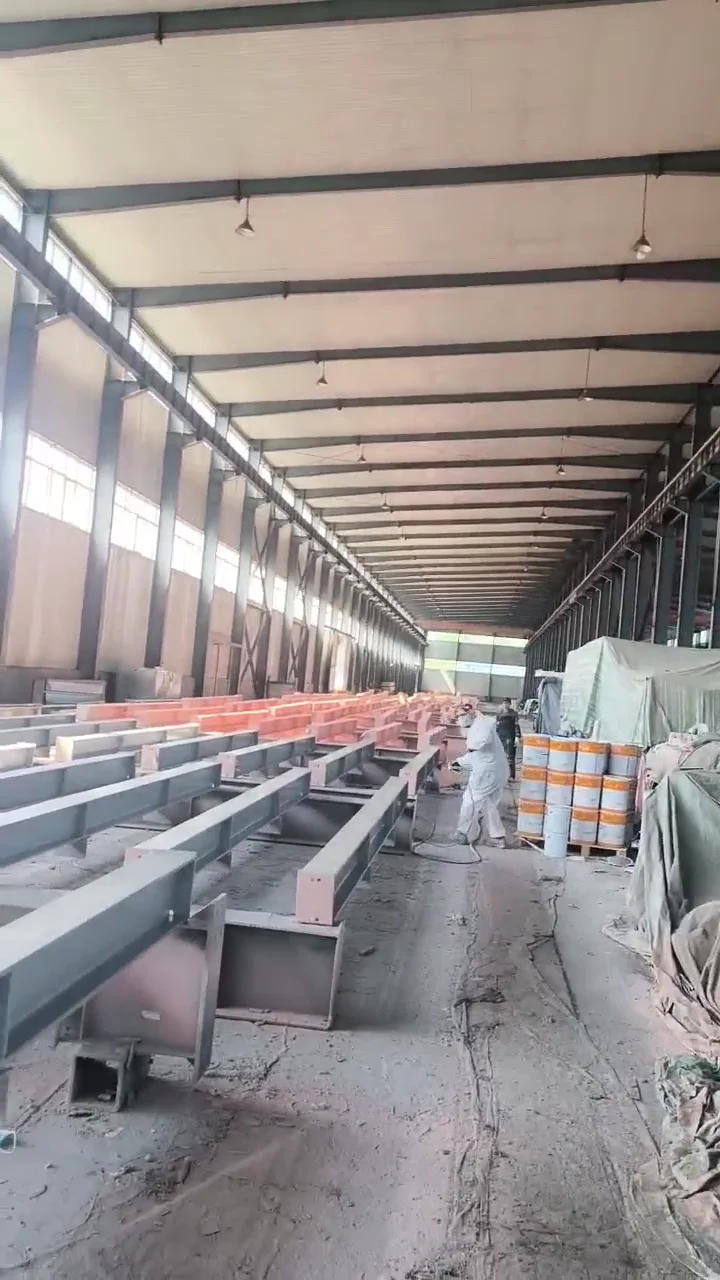
Bring suitable coating work into the factory and plan the remaining site work before steel leaves the shop. The selected system, handling limits and repair procedure must be accepted for the actual members and destination conditions.
Review the member schedule, fire-resistance requirement, section factors, critical steel temperature and exposure. Agree the full coating system and approval responsibilities.
Coordinate fabrication checks, surface preparation and the approved shop coating scope. Plan connection exclusions, curing, thickness checks and member identification.
Define curing release, supports, packing, lifting points and shipping sequence for the selected system. Record condition at dispatch and inspect on receipt.
Inspect accessible members at ground level. Repair transport and handling damage under an approved procedure; verify preparation, layer compatibility, thickness and curing before release.
Review connection zones and any lifting or erection damage. Complete agreed touch-ups and outstanding site-applied areas, subject to access and coating conditions.
Reconcile member and coating records, repair maps, inspection reports and final acceptance. Agree the responsible reviewer and handover dossier before work starts.
Evaluate the route against your erection sequence, site access and selected coating system. Programme and cost effects are assessed against the actual project scope.
Plan preparation, application conditions and thickness checks in the factory before shipment, with records linked to the steel members.
Complete suitable repairs before erection while members are accessible. Retain a defined plan for connection zones and damage discovered after installation.
Connect fabrication release, coating acceptance, packing and site receipt to one document register and an agreed responsibility matrix.
SOEX Hong Kong has completed four structural steel supply contracts with a total contract value of RMB 46 million and a delivered volume of 4,000 tonnes from China. Completed equipment-supply agency projects include Kovdorsky GOK and Daltransugol.
For terminals, airport buildings and infrastructure packages, a purchase order must connect design, fabrication, fire protection and site acceptance. SOEX proposes a coordinated route with defined responsibilities and deliverables before award.
Review drawings, grades, connections, fire-resistance requirements and coating environments. Track clarifications and deviations before manufacturing.
Assess fabricator capability, coating application arrangements, inspection needs and capacity against package requirements.
Coordinate document submissions, manufacturing and inspection milestones, coating records and delivery lots through one package interface.
Fire protection is selected for the actual steel members and exposure conditions. A generic number of minutes is not a substitute for project-specific design and approval.
Required fire resistance, test/design standard, member section factor, critical steel temperature, exposure sides, fire scenario and operating environment.
Surface preparation, primer, any intermediate layer, fire-protective material and topcoat must form an accepted system. Product substitutions require technical review.
Agree shop versus site application, connection zones, transport protection, site touch-up, drying/curing conditions and coating thickness verification.
Agreed ITP, batch identification, ambient-condition records, surface-preparation checks, thickness reports and repair/close-out records.
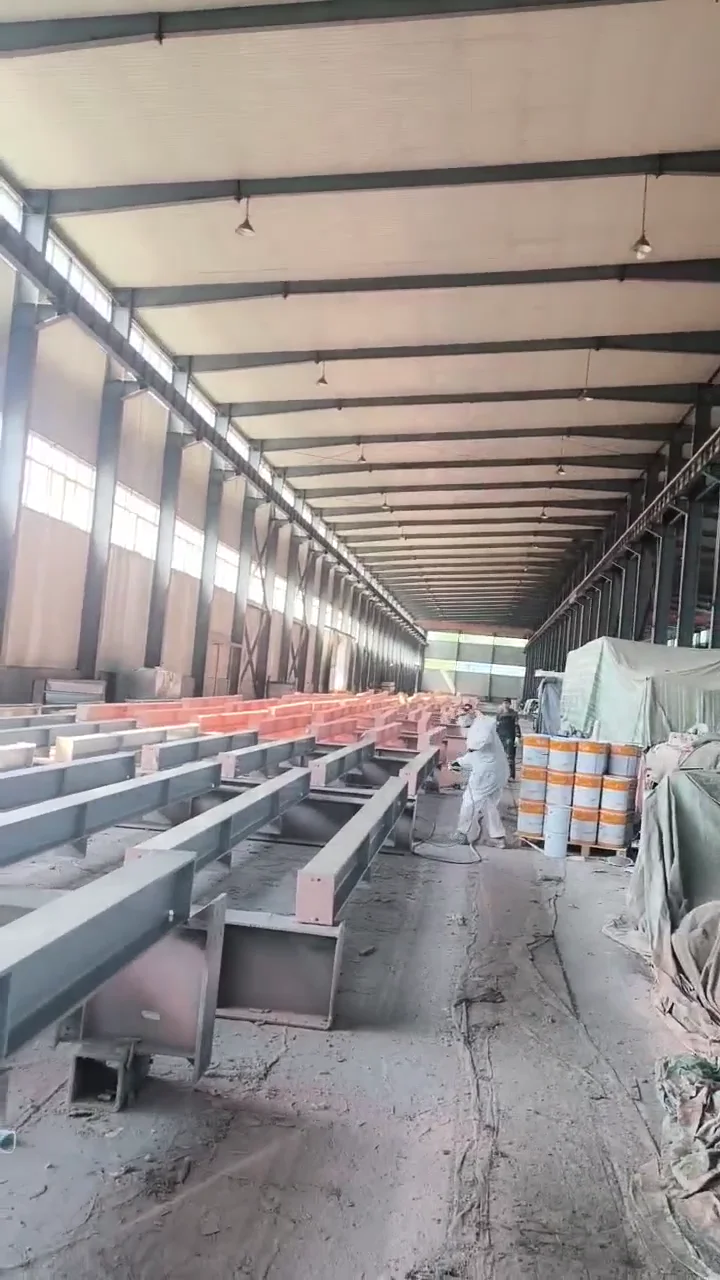
Footage supplied by SOEX shows rows of structural steel members and coating application inside the production hall.
The camera moves along rows of steel members resting on supports. A coating applicator works beside the members, with other structures and coating containers visible in the production area.
Product identity, specified thickness and inspection acceptance are documented in the project records. Fire-resistance performance is established through applicable test and design evidence.
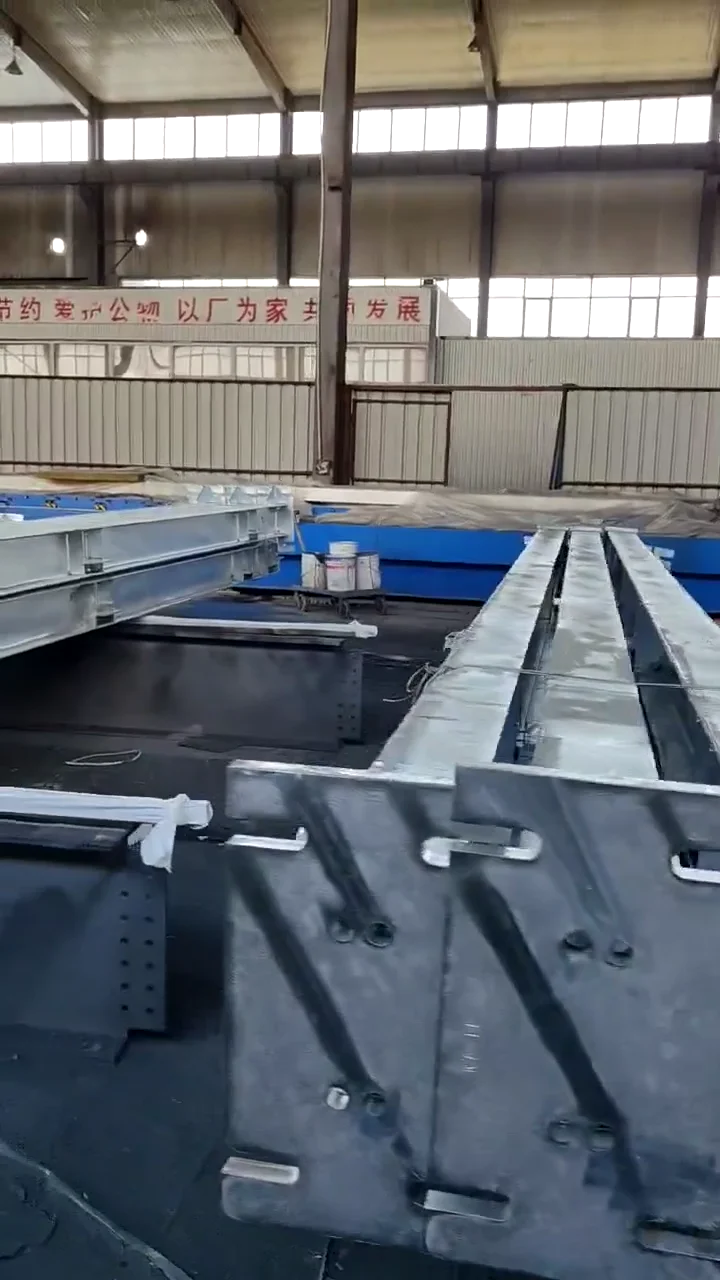
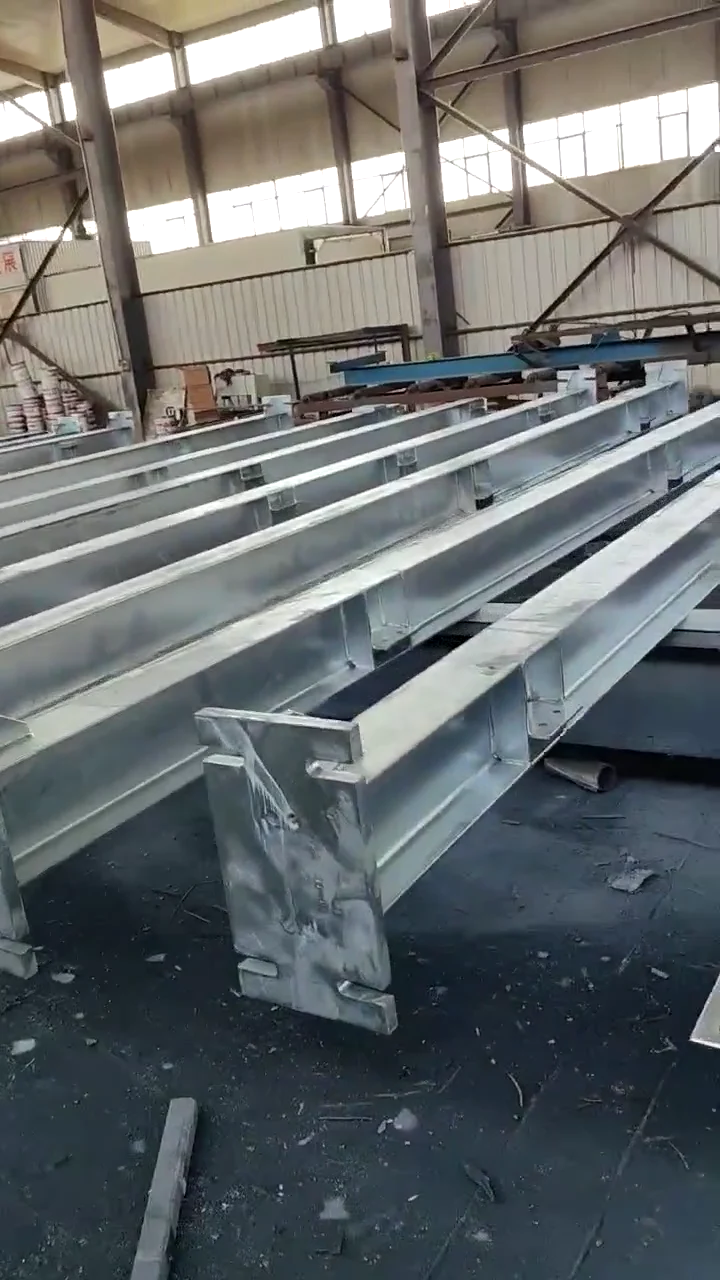
A second walkthrough shows rows of structural members with visible coating finishes, connection plates and identification markings.
The camera passes several rows of steel members on supports. Coating surfaces, end plates and connection details can be seen from different angles.
The footage illustrates the workshop stage. Member release, coating thickness and acceptance are confirmed through the agreed inspection records.
Selected frames from SOEX-supplied footage show rows of structural members, coating work and connection details inside the workshop.
Authorization copies are available through qualification channels. The mandates are project-specific; product suitability, fire performance, approval and final contractual responsibilities are reviewed separately for each package.
The manufacturer’s letter dated 28 October 2026 appoints SOEX Engineering Hong Kong as its engineering integration, procurement and commercial partner for the project identified in the authorization. It provides for fabrication to approved drawings and inspection plans under SOEX technical coordination.
MAF Rev.2 dated 6 November 2026 identifies TPCO Global as the prime commercial vendor and SOEX Engineering Hong Kong as the technical integration partner and QA/QC coordinator for the project identified in that letter.
SOEX coordinates the document register and submission schedule. The EPC, designer, manufacturer and any local conformity specialist must agree who prepares, reviews and accepts each item.
Approved shop drawings, material certificates, traceability, welding qualifications, inspection/NDT records, dimensional reports and packing lists, as specified.
Product data, applicable certificates and test reports, thickness design basis, system compatibility, application procedure and coating inspection records.
Identify destination-country requirements, translations, required local assessments and submission responsibilities with EPC-appointed specialists before procurement.
Supply lots should support the erection sequence and the protection system’s handling requirements.
Drawings, quantities, standards and dates.
Document matrix, responsibilities and hold points.
Fabrication, coating and inspections.
Close-out records, marking and packing.
Sequenced shipments and agreed repair scope.
At pre-bid stage, send the available project information. We can identify missing technical inputs and propose a supply and documentation route for discussion.
Resolve the system and application route before committing the fabrication and shipping programme.
The route depends on the selected product and approved system, curing and transport limits, member geometry, exposure and handling arrangements. Factory application is reviewed with the coating manufacturer and the designated project reviewers.
The scope still needs an agreed plan for transport damage, connections, areas excluded from shop application and damage caused during erection. Suitable repairs can be completed at ground level before installation, followed by post-erection inspection and any remaining work.
Applicable test evidence and project-specific thickness design must cover the selected system, member section factors, critical steel temperature and exposure. The final specification and acceptance route are agreed with the designated reviewers.
Send the project country, structure type, available tonnage or member schedule, required fire resistance, exposure, proposed coating specification and erection dates. Drawings can follow through the agreed project email channel.
Share the available scope so we can identify technical inputs, interface responsibilities and the proposed factory-to-site route.
For drawings and attachments, contact projects@soexeng.com.
This form accepts initial text enquiries. Please send confidential technical documents through an agreed project channel.
Discuss scope, documentation and delivery with the SOEX project team.